Yoga teachers
If you already teach, this course gives you a safe, clear way to add breathing and meditation to your classes, with the cautions that matter.
Avatar Yoga School's pranayama and meditation teacher training in Rishikesh is a short, residential course that teaches the classical breathing practices of yoga, silent and guided meditation, and how to teach them safely. You practise every day, study the method and the cautions, and leave ready to lead a calm, careful session.
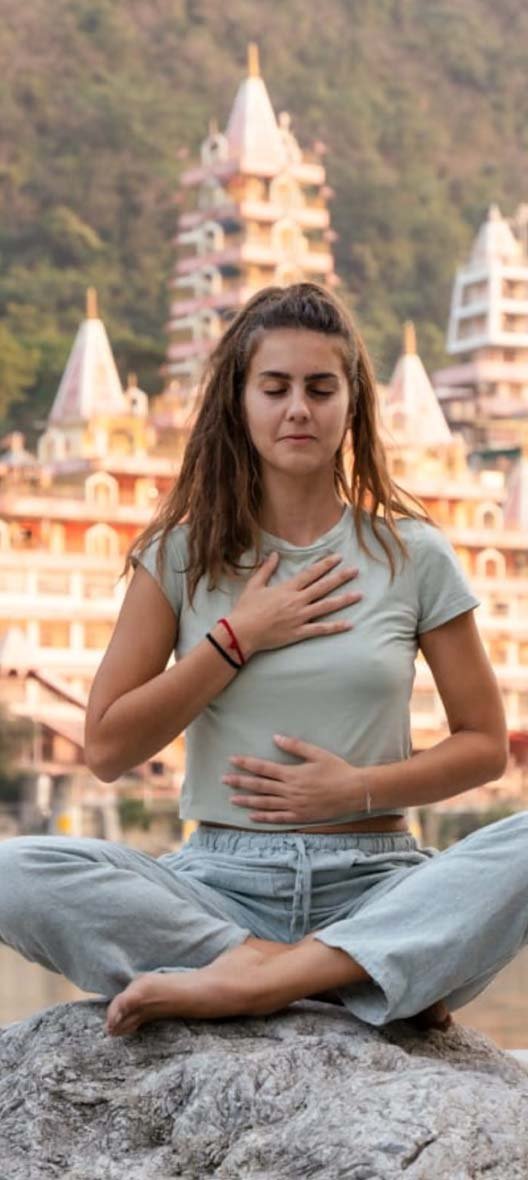
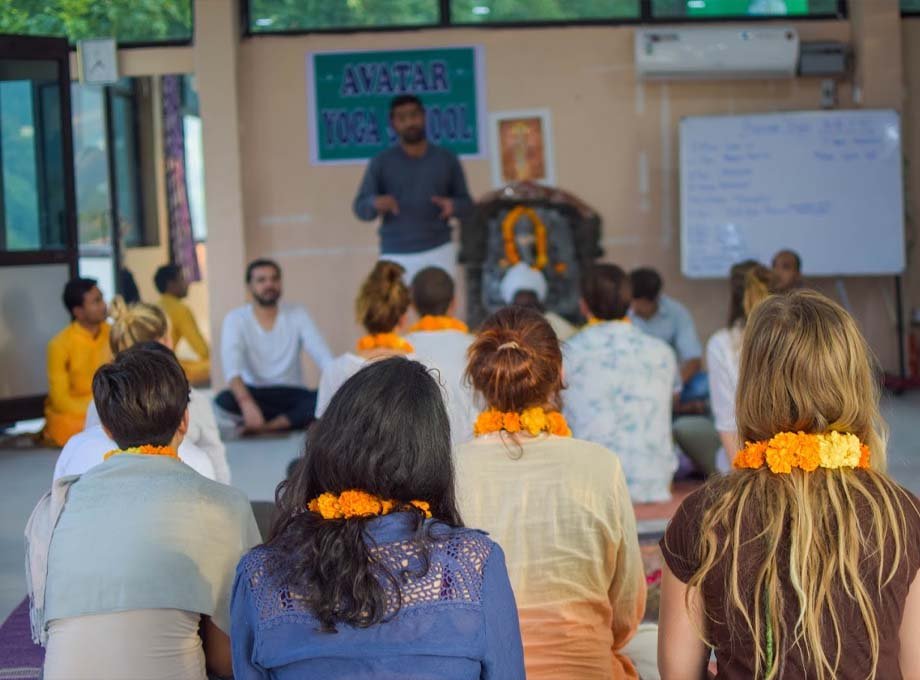
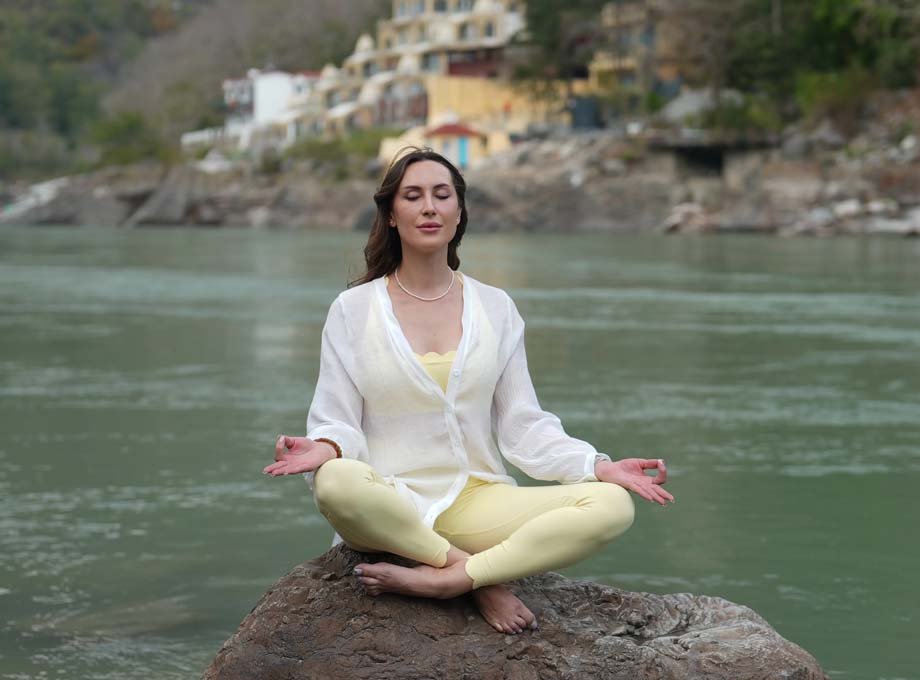
A pranayama and meditation teacher training is a short course that teaches you the classical breathing practices of yoga, the main methods of meditation and the skill of guiding others through them. At Avatar Yoga School in Rishikesh you practise every day, study how each technique works and learn how to teach it with care.
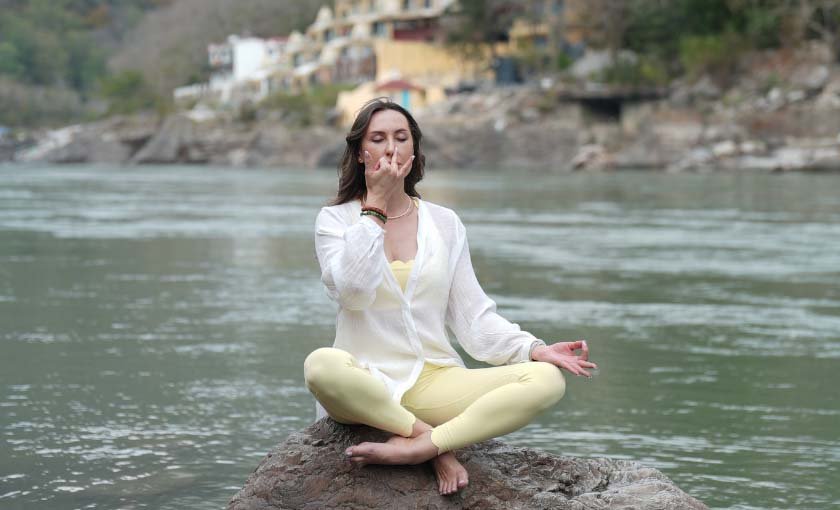
Pranayama means the regulation of the breath, and the breath is the bridge between body and mind. Slow, steady breathing settles the nervous system, and stronger practices bring energy and focus. Meditation then uses that quieter state to sit with attention. In yoga the two are practised together, which is why this course teaches them side by side.
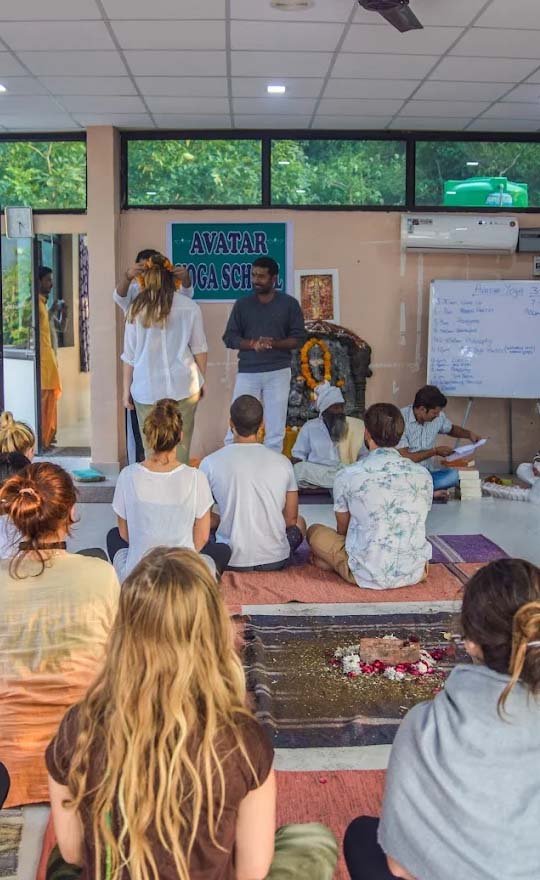
The course is practical. You spend most of your time breathing, sitting and practising short sessions on your classmates, with teachers who correct your posture, your pacing and your instructions. You also learn when a practice helps, when to skip it and what to say to a student who feels dizzy or anxious.
You do not need to be an advanced student. If you also want a full teaching foundation, see the 100 hour or 200 hour yoga teacher training in Rishikesh.
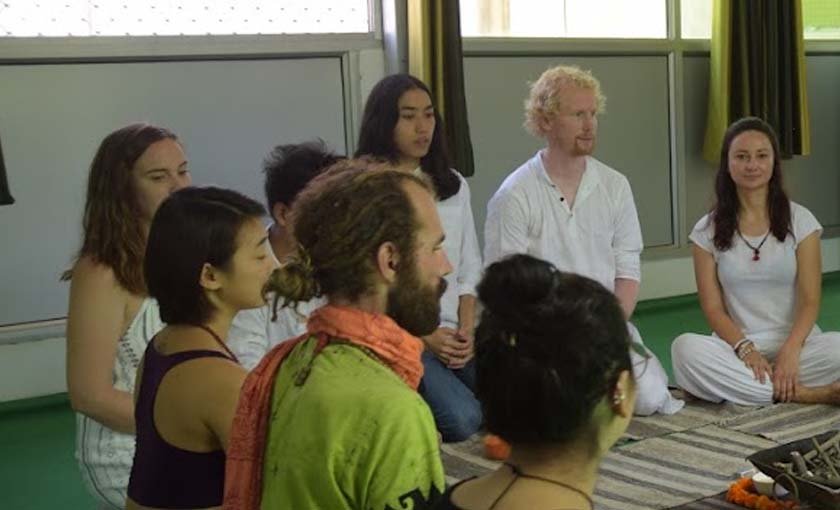
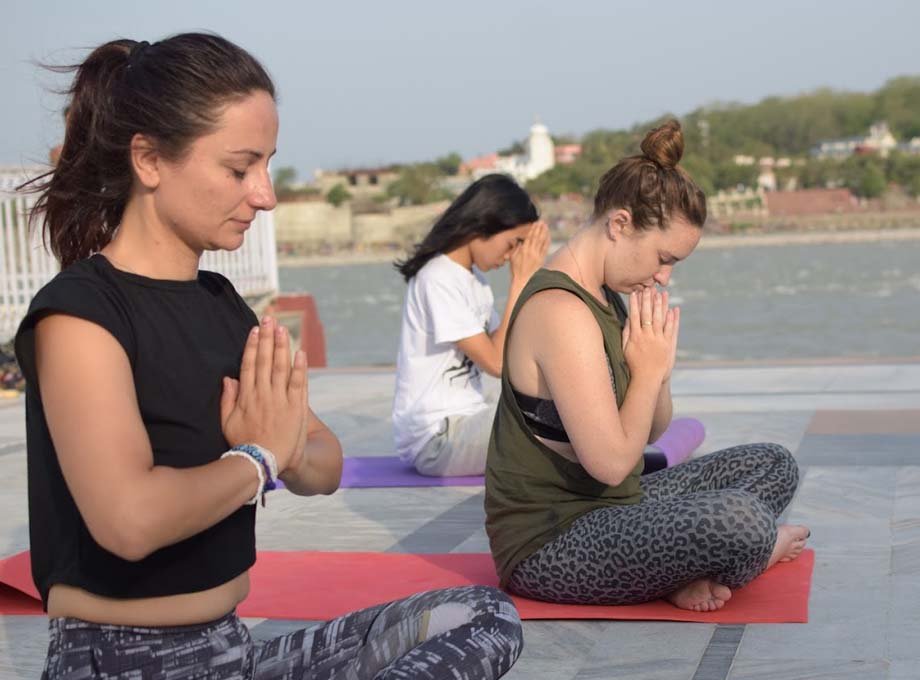
The course covers gentle and strong breathing practices. Gentle ones suit most people. Strong ones, such as rapid breathing and breath holds, need care, and some people should avoid them.
| Technique | What it does | Take extra care if you have |
|---|---|---|
| Deep yogic breathing | Teaches full, slow breathing into the belly, ribs and chest | Recent abdominal surgery |
| Nadi shodhana | Alternate nostril breathing for calm and balance | A blocked nose, take it gently |
| Ujjayi | Soft, steady breath with a gentle sound in the throat | Very low blood pressure |
| Bhramari | Humming breath that soothes the mind | Ear infections |
| Kapalabhati and bhastrika | Rapid, forceful breathing for energy and warmth | Pregnancy, high blood pressure, heart conditions, epilepsy |
| Sheetali and sitkari | Cooling breaths through the mouth | Colds and very cold weather |
This table is a guide, not medical advice. Talk to your doctor before you learn strong practices, and tell your teachers about any condition.
The course suits yoga teachers who want to teach breathing and meditation with confidence, students who want a deeper personal practice, and anyone who wants a calm, structured week or two in Rishikesh.
If you already teach, this course gives you a safe, clear way to add breathing and meditation to your classes, with the cautions that matter.
You may breathe and sit already and want to understand why each technique works and how to build a steady daily practice.
Coaches, counsellors and therapists often join to learn simple breathing and relaxation tools, within the limits of their own training.
You may simply want to learn how to breathe well and to sit quietly. Teachers start from the basics, so nothing is assumed.
The syllabus covers six areas: breath and anatomy, core pranayama techniques, bandhas and mudras, cleansing practices, meditation methods, and teaching with safety and ethics.
Learn how the diaphragm, ribs and nervous system work during breathing, and what happens in the body during slow and fast breathing. This makes every practice clearer and safer.
Practise the main techniques step by step, from deep yogic breathing and alternate nostril breathing to ujjayi, bhramari and cooling breaths, and learn the right order and timing.
Study the three bandhas, mula, uddiyana and jalandhara, and the hand positions used in breathing practice. You learn when to use them and when to leave them out.
Learn simple cleansing practices that prepare the body for breathing and sitting, with attention to who should avoid each one and how to teach it gently.
Practise breath awareness, mantra, silent sitting, trataka and yoga nidra, and learn how to guide each method in clear, calm words.
Plan a session, give clear instructions, watch for signs of strain and know when to stop. You also cover ethics, health screening and the limits of your role.
The techniques and topics can change by batch. Ask the team for the current syllabus before you book.
A typical day begins in the early morning with pranayama and meditation and ends with a quiet evening practice. Between them come classes on technique and anatomy, practice teaching and free time. Timings shift a little with the batch, so ask for the current timetable.
Ask for the current timetable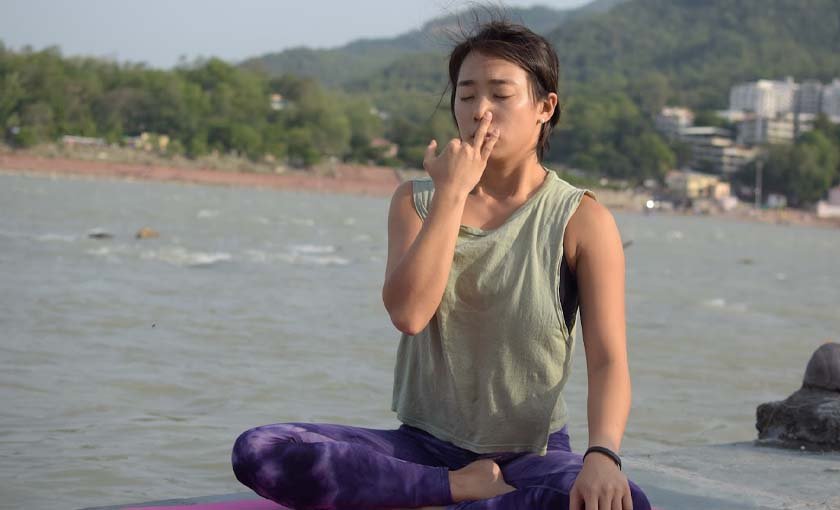
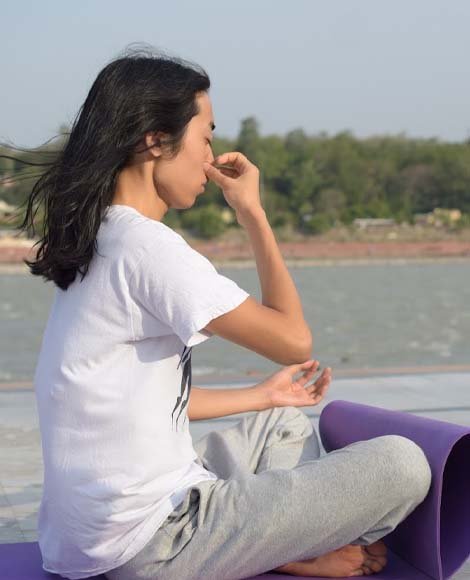
Gentle, slow breathing is safe for most healthy adults. Strong practices, such as rapid breathing, forceful exhalation and long breath holds, change blood pressure, heart rate and the balance of gases in the body, so they are not right for everyone.
Talk to your doctor first, and tell your teachers, if you are pregnant or have high blood pressure, a heart condition, epilepsy, glaucoma, asthma, a hernia, a recent abdominal surgery or a history of panic attacks. Teachers adapt or skip practices for you, and you never need to hold your breath or push.
In the course you learn to build practices up slowly, to keep the breath smooth rather than strained and to recognise dizziness, tingling or anxiety, which are signs to stop and rest.
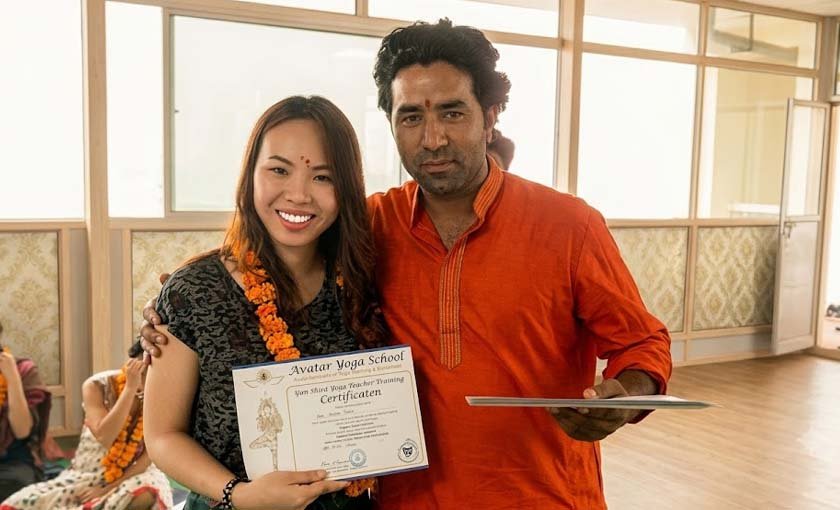
You receive a certificate of completion from Avatar Yoga School. A pranayama and meditation course is a specialty course, so it does not lead to RYT 200 registration on its own.
If you are a registered yoga teacher, ask the team whether the hours can count as continuing education with Yoga Alliance. That depends on whether the school is registered as a continuing education provider, and it is worth confirming in writing before you pay.
Whatever the certificate says, your skill comes from daily practice. Plan to keep breathing and sitting every day and to teach a few free sessions for friends after the course.
After the course you can add breathing and meditation to your classes, run workshops, lead short sessions for groups and deepen your own daily practice, within the limits of your training.
A short, gentle pranayama and a closing meditation make any yoga class calmer. The course shows you how to teach them safely.
Workshops on breath, stress and sleep suit studios, offices and retreats. The practice teaching classes prepare you for them.
Many graduates start with a weekly guided meditation in a studio or a community space.
Breathing practice deepens slowly. Many graduates continue with a 200 hour course or a longer retreat.
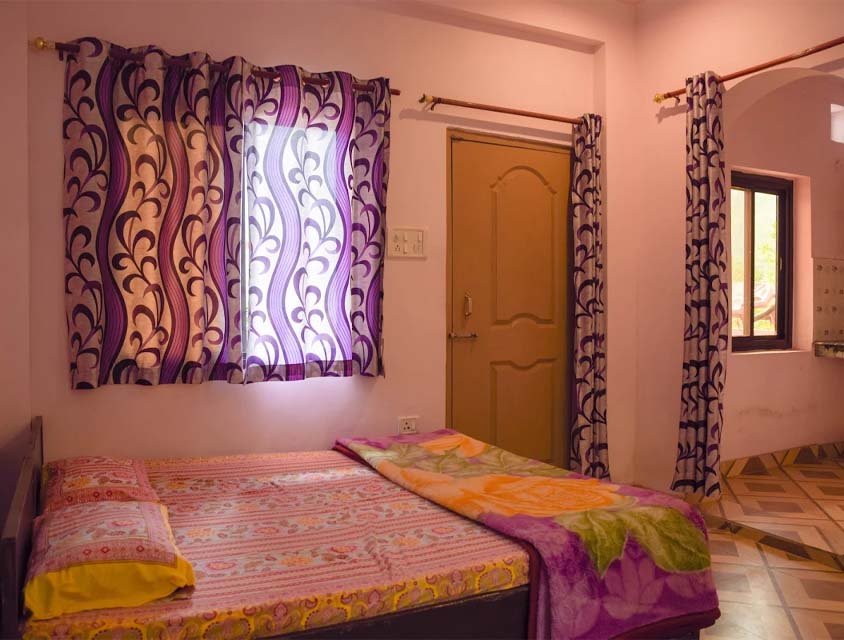
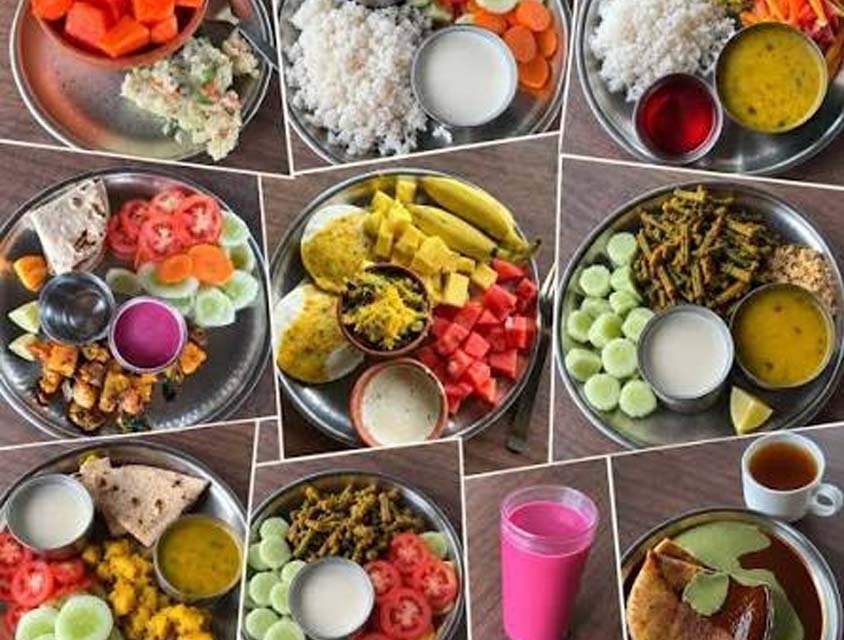
The fee depends on the room you choose. It covers tuition, accommodation, vegetarian meals and course materials, per person for the full course.
These sessions are included in the course fee at no extra cost.
Ask the team for the current fee for your batch. The payment page explains the booking advance and refund terms.
The course fee usually covers tuition, accommodation, vegetarian meals, course notes and your certificate. Flights, visa, insurance and personal expenses are normally extra. Ask for the exact list for your dates.
When you compare prices, look at the full picture. A lower fee that leaves out meals or classes can cost more in the end. Ask for the inclusions in writing.
February to April and September to November are the most comfortable months in Rishikesh. A short course fits easily into one season, so choose the weather you like and book two to three months ahead.
| Months | What the weather is like | For training |
|---|---|---|
| February to April | Pleasant days and clear skies as the hills warm up. | Best |
| May to June | Very hot, especially in the afternoon. | Hot |
| July to August | Heavy monsoon rain that can disturb travel. | Rainy |
| September to November | Comfortable days, clear skies and mild mornings. | Best |
| December to January | Cold mornings and evenings. Bring warm layers. | Good with warm clothes |
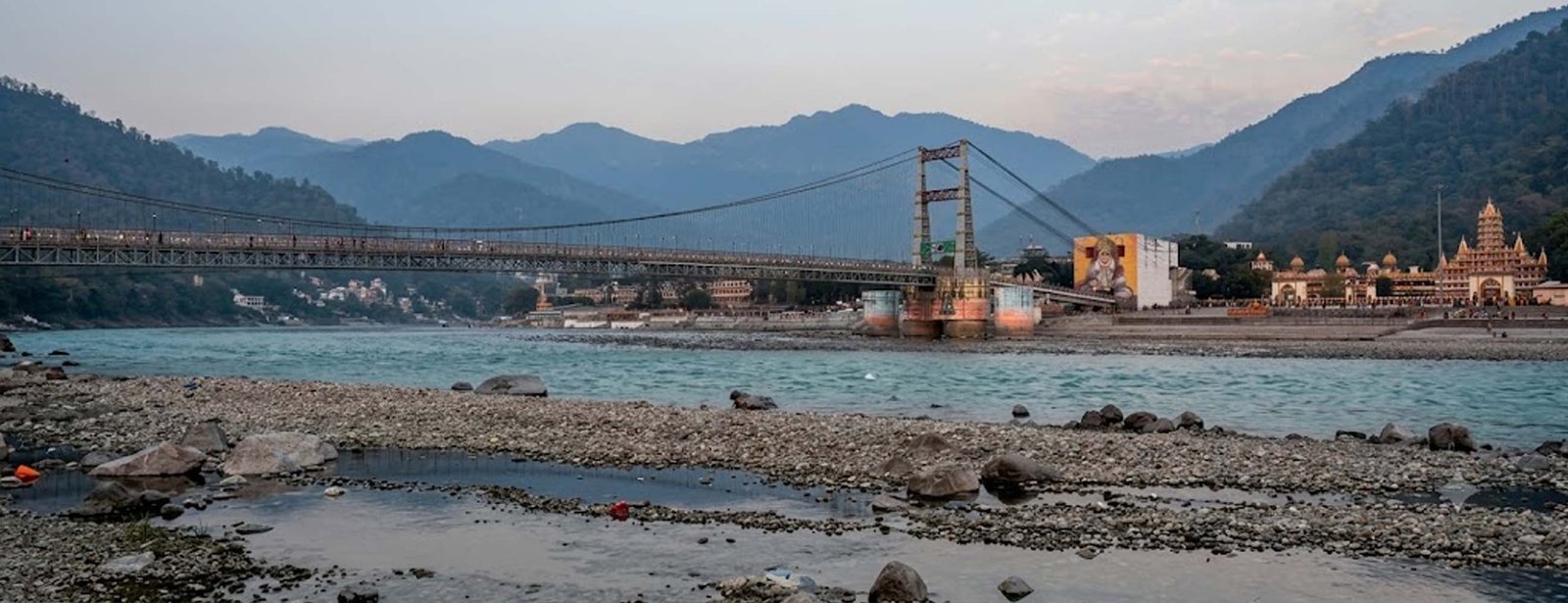
Avatar Yoga School is in the Swargashram area of Rishikesh, near Omkar Cafe. Fly into Dehradun or take a train to Haridwar, then continue by road. To join, send an enquiry, choose a batch and pay the booking advance.
Jolly Grant Airport in Dehradun is the nearest, about 35 km from Rishikesh. Taxis run from the airport to town.
Haridwar railway station is about 25 km away, with regular trains from Delhi and other large cities.
Rishikesh is about 240 km from Delhi, which takes five to six hours by taxi or bus.
Rules and visa categories can change, so confirm the right one for a short course on the official Indian visa portal or with your embassy. A 30 day e-Tourist visa counts from your first arrival and is enough for most short courses.
Sort out your visa and insurance early, practise a few minutes of slow breathing and quiet sitting each day before you travel and pack loose, comfortable clothes. A light shawl helps during long sits.
Short, direct answers on techniques, safety, certificates, fees and travel.
Talk to our team directly. We reply on WhatsApp and phone.
WhatsApp us Call +91 78309 61407Tell us your preferred month and your experience. The team will reply with batch dates, the fee and what is included.
Check batch datesWhatsApp us