Teachers who want more depth
You teach regularly and feel that your classes repeat the same ideas. This course gives you new tools for sequencing, adjustments and themes, so your classes grow along with you.
Avatar Yoga School's residential 300 hour yoga teacher training in Rishikesh is an advanced course for teachers who already hold a 200 hour certificate. In about five weeks you deepen your Hatha practice, pranayama, philosophy, anatomy and teaching skills, and you complete the 500 hours that lead towards RYT 500.
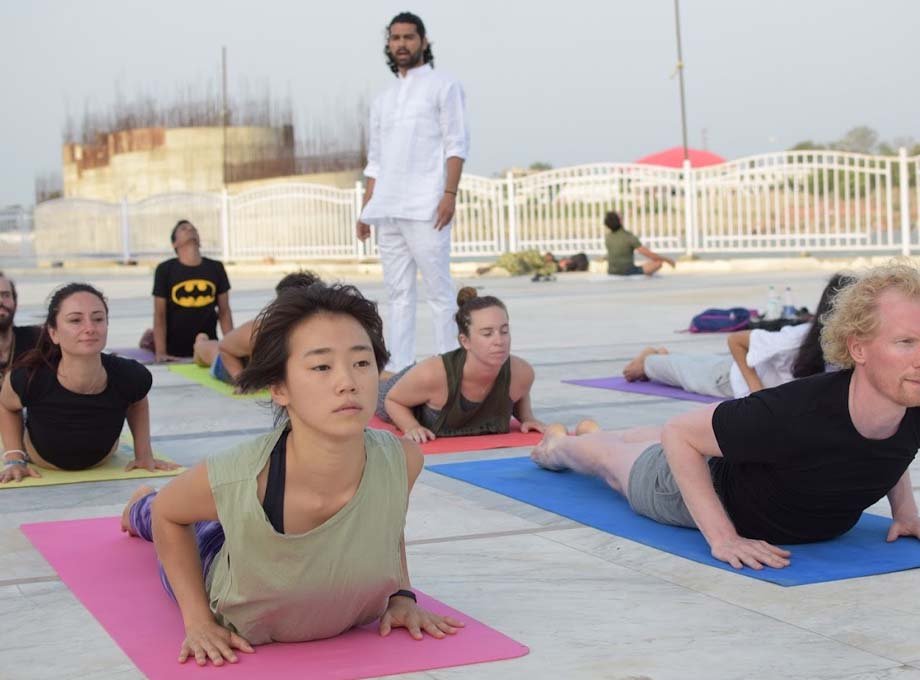
A 300 hour yoga teacher training is an advanced course for teachers who have already completed a 200 hour training. It deepens what you learned the first time, adds the skills of an experienced teacher and, together with your 200 hours, brings you to 500 hours of training. At Avatar Yoga School in Rishikesh it is a residential course of about five weeks.
The first 200 hours teach you how to run a safe class. The next 300 hours ask better questions. How do you sequence a class around a theme? How do you adjust a student with a stiff shoulder or a weak back? What do the old texts say about the practice you teach, and how do you speak about them honestly? This course works through those questions.
You study advanced asana and sequencing, deeper pranayama and meditation, the yoga texts in more detail, applied anatomy and the craft of teaching. You also teach far more than before, with longer classes, written feedback and the chance to find your own voice.
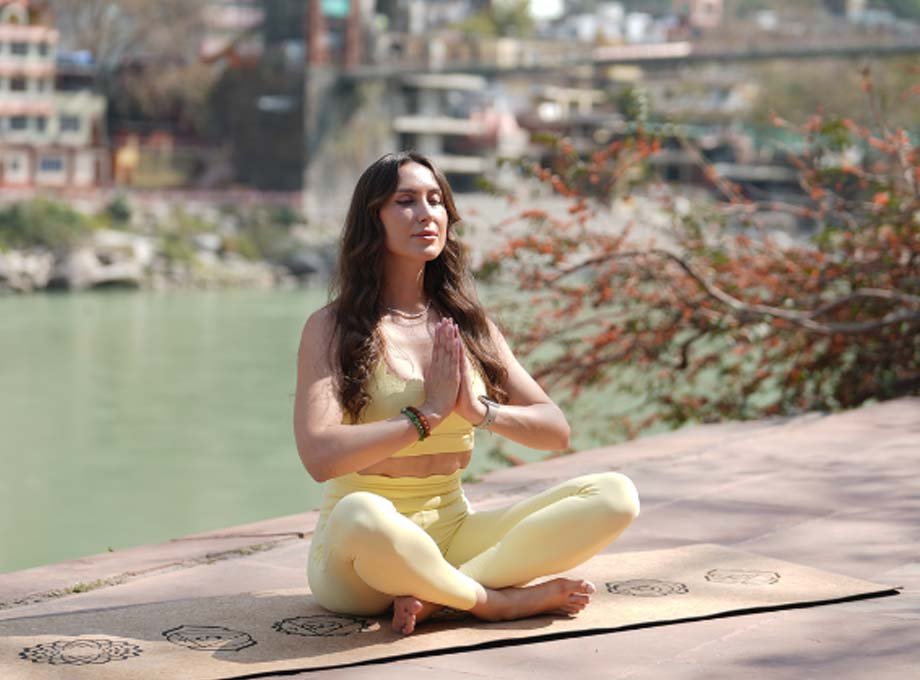
It is a demanding course, so it suits teachers who already have a daily practice and some teaching experience. You do not need to master every advanced pose. You do need curiosity and the stamina to follow long days. Rishikesh helps, because the town is quiet in the early hours and the Ganga flows close to the school.
If you have not completed a 200 hour training yet, start with the 200 hour yoga teacher training in Rishikesh, or look at the shorter 100 hour course first.
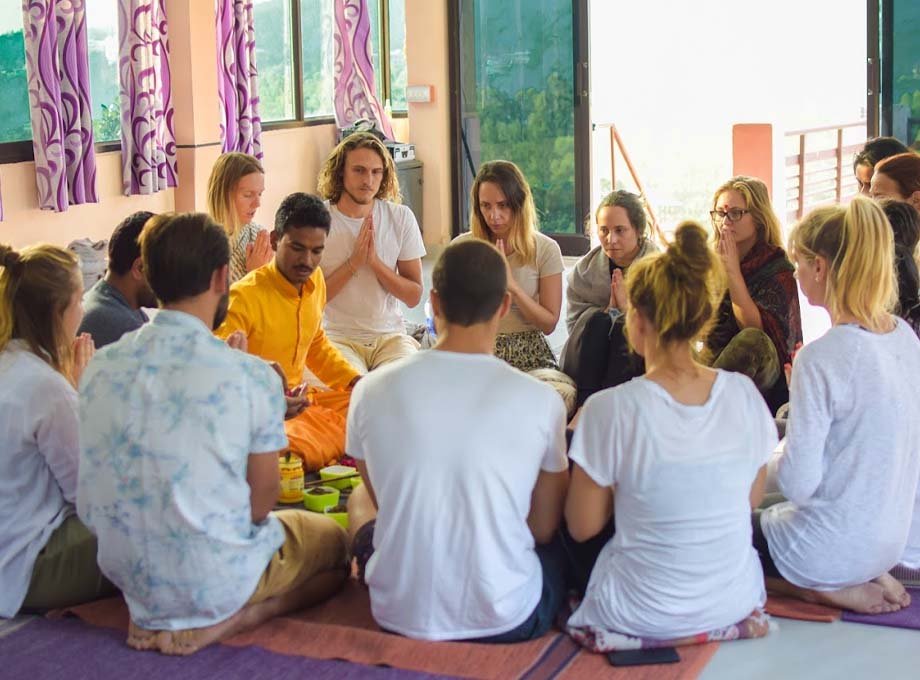
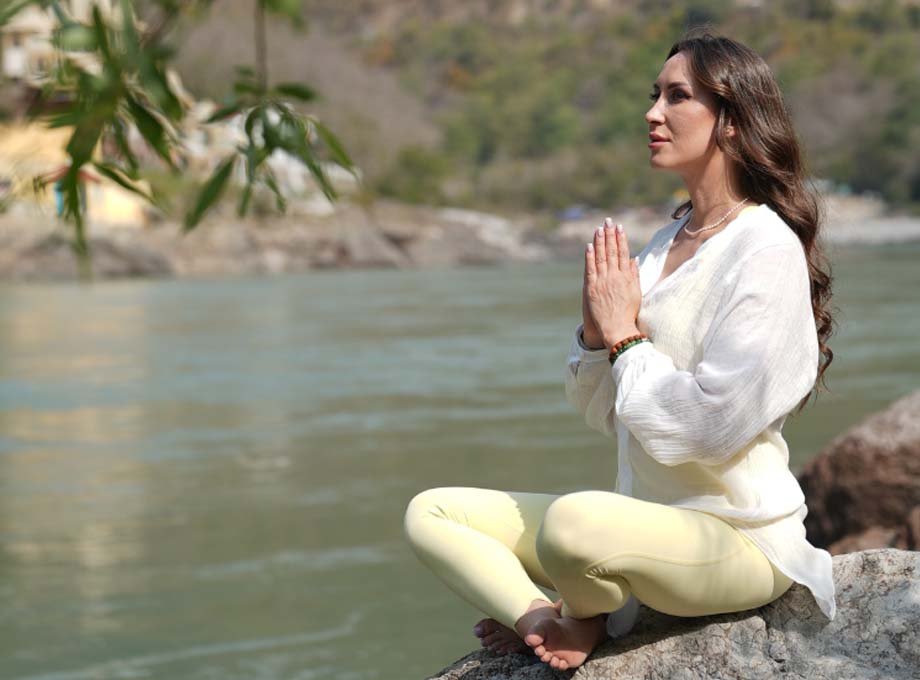
The 300 hour course is for teachers who hold a 200 hour certificate and want to go further. You do not need to be an expert, but you should have a steady practice and some teaching experience.
You teach regularly and feel that your classes repeat the same ideas. This course gives you new tools for sequencing, adjustments and themes, so your classes grow along with you.
If you want to register as an RYT 500 with Yoga Alliance, this course provides the 300 advanced hours that you add to your 200 hour training. Check that your first course came from a registered school.
Some students with a 200 hour certificate never plan to teach full time. They join to study philosophy, anatomy and pranayama in more depth, in a group that takes the work seriously.
If you trained in a different style, a month in Rishikesh helps you fill gaps, study the classical texts and see how teachers here explain the practice.
Before you apply: you need a 200 hour yoga teacher training certificate. It can come from any school, but ask the team if you plan to register with Yoga Alliance.
The syllabus covers six areas: advanced asana and sequencing, advanced pranayama, meditation, philosophy, applied anatomy, and teaching with professional skills. Each one builds on your 200 hour training.
Work on deeper variations of the main pose groups, including arm balances, deeper backbends and inversions, with safe progressions for every level. You learn to sequence a class around a peak pose or a theme, and to plan a practice for a whole month.
Study the more demanding breathing practices and the bandhas in detail, including how to build them up, how long to hold them and who should avoid them. You also practise longer sessions, so you can teach pranayama with confidence.
Explore longer silent sitting, mantra and concentration practices, and yoga nidra as a tool for rest. You learn to guide meditation for a mixed group and to help students who find stillness hard.
Return to the Yoga Sutras of Patanjali, the Hatha Yoga Pradipika and the Bhagavad Gita with more time and more discussion. The classes move beyond definitions and ask how the ideas apply to your teaching and your own life.
Go deeper into the spine, hips, shoulders and nervous system, and into how common injuries happen. You learn to read a student's movement, to offer options and to know when a problem needs a doctor.
Learn hands-on adjustments with consent, how to use your voice and how to design a class for a particular group. You also cover ethics, class planning and the practical side of working as a teacher.
The balance of subjects can change by batch. Ask the team for the current syllabus before you book.
The 200 hour course is the foundation. The 300 hour course is the advanced step that builds on it, and together they make 500 hours. If you want both in a single stay, ask about the 500 hour course.
| Feature | 200 hour | 300 hour | 500 hour |
|---|---|---|---|
| Length | About 3 weeks | About 5 weeks | About 8 weeks |
| Who it is for | New teachers and serious students | Teachers with a 200 hour certificate | Those who want both levels in one stay |
| Before you start | A few months of practice | A 200 hour certificate | A steady practice |
| Yoga Alliance | Route to RYT 200 | Adds to 200 hours for RYT 500 | Route to RYT 500 |
| Teaching focus | Lead a safe, well planned class | Teach with greater skill and depth | Both levels together |
Read more about the 200 hour course, or ask the team which level suits your experience.
Avatar Yoga School is a residential school in Swargashram, Rishikesh, where the day is built around practice, study and rest. Here is what you can expect when you train with us.
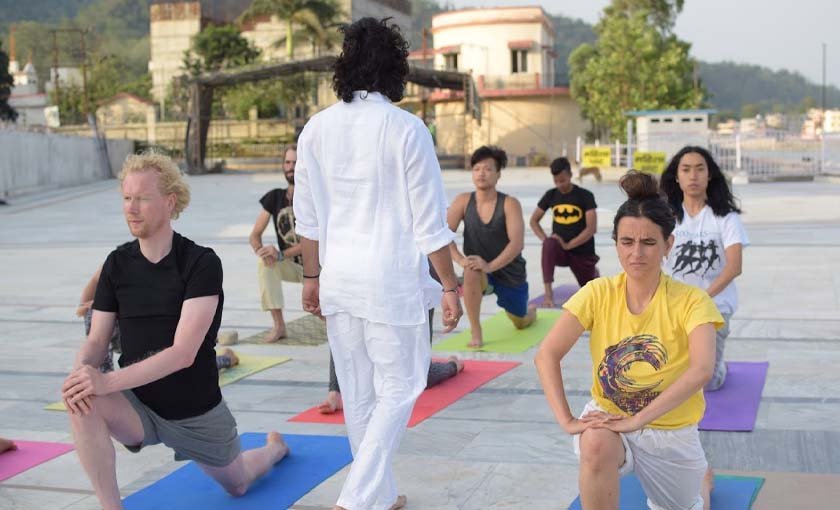
Advanced students need more than correction. Teachers ask questions, give honest feedback and push you to explain why you teach the way you do.

Swargashram lies beside the Ganga, away from the louder parts of town. Five weeks is long enough to settle into a deeper routine and to hear your own practice more clearly.
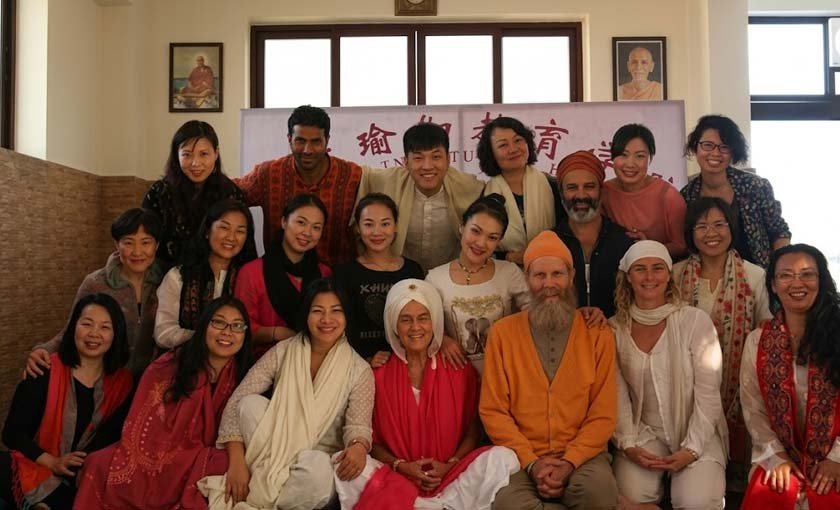
You get the dates, the fee and the inclusions in writing before you pay, and nobody pushes you to decide. We will tell you if another course fits you better.
A typical day begins around 6 am with pranayama and ends with meditation in the evening. Classes run six days a week and Sunday is free. Days are full, and timings shift a little with the batch and the season.
Ask for the current timetable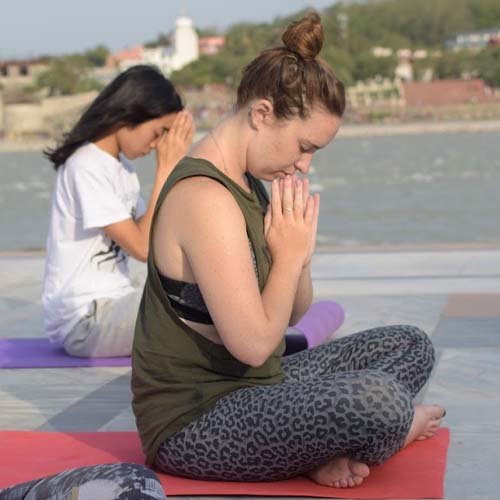
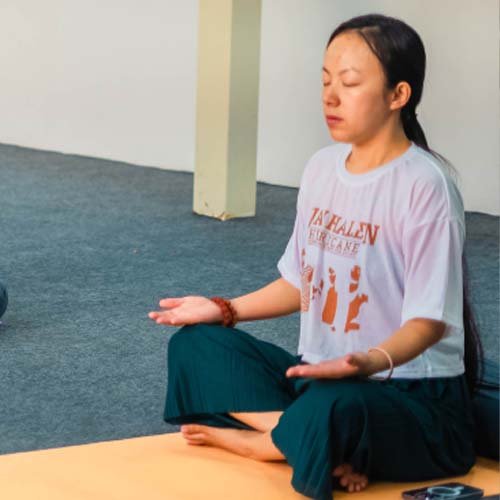
The five weeks build on each other. You start by reviewing your foundations, move through advanced practice and study, and finish with teaching labs and a final assessment.
You review your 200 hour foundations, set personal goals and settle into long days. Teachers watch your practice to see where you can grow.
Asana, pranayama and meditation get longer and more demanding, with safe progressions for every body in the group.
Study deepens in the texts and in applied anatomy, and you begin to design classes around a theme.
You teach longer classes, practise adjustments and give and receive written feedback.
You complete a written assessment, teach a final class and meet your teachers for a review before graduation day.
You are assessed on attendance, on your teaching and on a written test. Teachers explain the rules in the first week, so nothing comes as a surprise.
Full attendance matters, because the hours count towards your certificate. If you miss a class, speak to your teacher about how to make it up.
You plan and teach longer classes to your batch and receive written feedback on your structure, cueing and adjustments.
A short written test covers philosophy, anatomy and teaching methodology. Teachers help you prepare during the course.
Avatar Yoga School teaches its 300 hour course as a Yoga Alliance program, and graduates who also hold a 200 hour certificate from a registered school can apply to register as RYT 500 teachers. Check the school's registration in the Yoga Alliance online directory before you pay, and ask the team to confirm it in writing.
Yoga Alliance sets the rules clearly. You need a 200 hour training at a Registered Yoga School, plus 300 hours of advanced training at a school registered for 300 hours. The two courses can come from the same school or from different ones. Advanced training means a course that requires you to have completed a 200 hour training first.
You also need to log 100 hours of teaching after your 200 hour training. Your school gives you a completion certificate, which you submit to Yoga Alliance with your application. Registration is optional and is not a legal requirement to teach yoga, but many studios and teacher training schools ask for it.
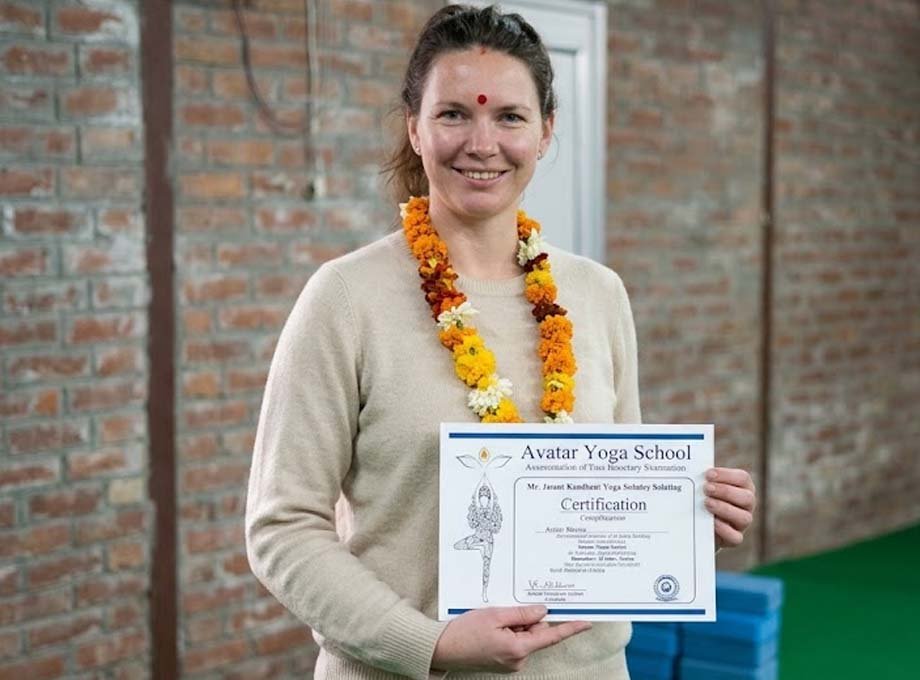
After the course you can teach more advanced classes, run workshops and retreats, and mentor newer teachers. The training also gives you a stronger base for your own long term practice.
With deeper sequencing and adjustment skills, you can teach intermediate and advanced students and keep experienced practitioners interested.
Many graduates plan a workshop on one subject, such as pranayama or anatomy, or lead a retreat. The teaching labs prepare you for it.
With 500 hours behind you, newer teachers often ask for advice. You can share your experience in studios and in small teacher groups.
Some graduates continue with specialised trainings, such as Yin or prenatal yoga, once their main teaching is steady.
Check four things before you book: the school's registration, how the syllabus goes beyond a 200 hour course, who teaches and how many students join, and what the fee and the daily schedule include.
Ask whether the school is registered with Yoga Alliance for 300 hours, and check the directory yourself. If you want RYT 500, this is the first question to settle.
A real advanced course does more than repeat your 200 hour classes at a faster pace. Look for deeper texts, applied anatomy, longer teaching labs and a clear assessment plan.
Ask who teaches each subject and how many students share the classes. Advanced study works best in a small group where teachers can watch your teaching closely.
Compare what each fee includes, and ask how many hours of classes you will have each day. A very cheap fee or a very crowded timetable can leave you tired and under taught.
The fee depends on the room you choose. It covers tuition, accommodation, vegetarian meals and course materials, per person for the full course.
These sessions are included in the course fee at no extra cost.
Ask the team for the current fee for your batch. The payment page explains the booking advance and refund terms.
The course fee usually covers tuition, accommodation, daily vegetarian meals, course manuals and your certificate. Flights, visa, travel insurance and personal expenses are normally extra.
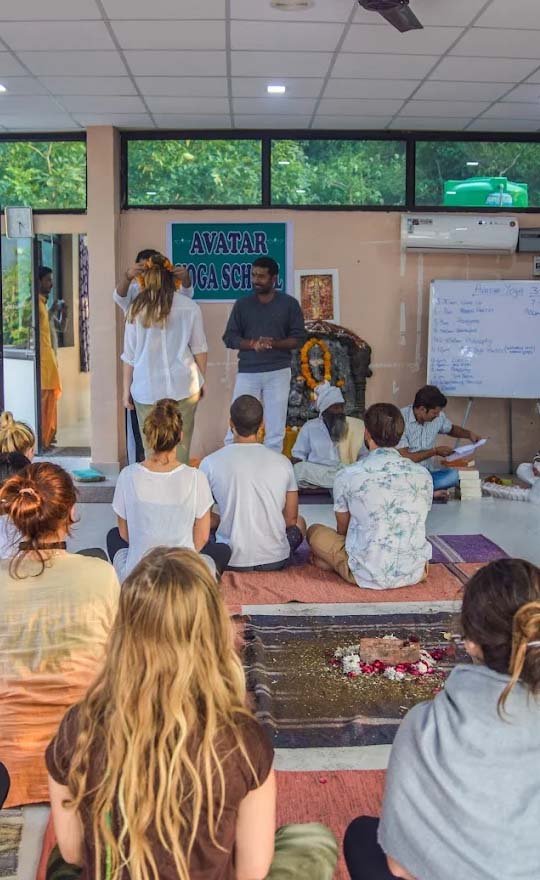
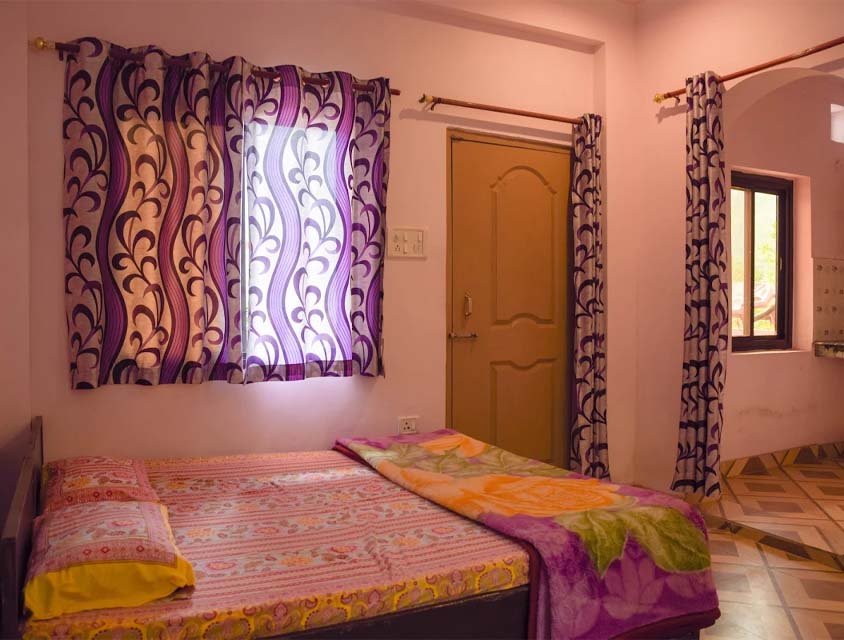

When you compare prices, look at the full picture. A lower fee that leaves out meals or study material can cost more in the end. Ask for the inclusions in writing.
February to April and September to November are the most comfortable months in Rishikesh. A five week course covers a longer stretch of weather, so check the season for your whole stay and book two to three months ahead.
| Months | What the weather is like | For training |
|---|---|---|
| February to April | Pleasant days and clear skies as the hills warm up. | Best |
| May to June | Very hot, especially in the afternoon. | Hot |
| July to August | Heavy monsoon rain that can disturb travel. | Rainy |
| September to November | Comfortable days, clear skies and mild mornings. | Best |
| December to January | Cold mornings and evenings. Bring warm layers. | Good with warm clothes |
Avatar Yoga School is in the Swargashram area of Rishikesh, near Omkar Cafe. Fly into Dehradun or take a train to Haridwar, then continue by road. To join, send an enquiry, choose a batch and pay the booking advance.
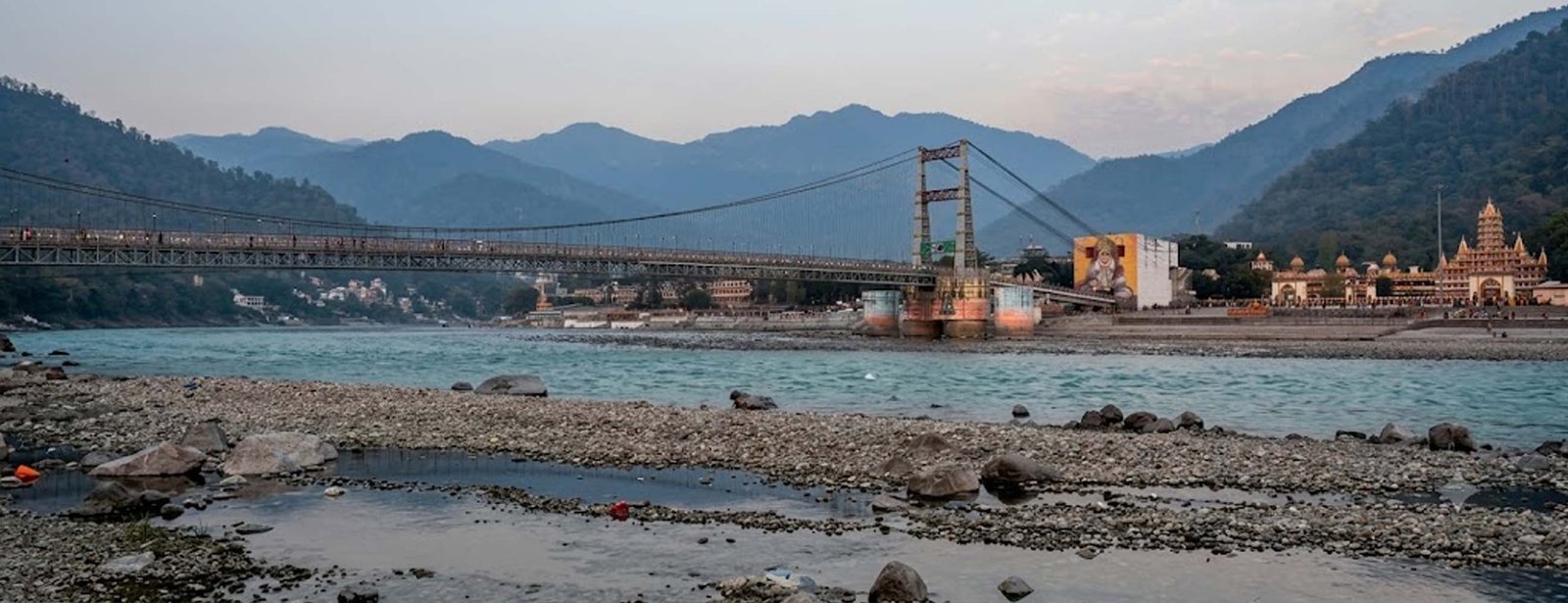
Jolly Grant Airport in Dehradun is the nearest, about 35 km from Rishikesh. Taxis run from the airport to town.
Haridwar railway station is about 25 km away, with regular trains from Delhi and other large cities.
Rishikesh is about 240 km from Delhi, which takes five to six hours by taxi or bus.
India's tourist and e-Tourist visas allow attending a short term yoga programme. A 30 day e-Tourist visa will not cover a five week stay, so look at the longer options on the official Indian visa portal and apply early.
Keep your daily practice and teaching going until you travel, sort out your visa and insurance early and pack simple, comfortable clothes. Days are long, so arriving rested and fit helps.
Tell us your preferred month and your experience. The team will reply with batch dates, the fee and what is included.
Check batch datesWhatsApp usShort, direct answers on eligibility, RYT 500, fees, dates and travel.
Talk to our team directly. We reply on WhatsApp and phone.
WhatsApp us Call +91 78309 61407